*****
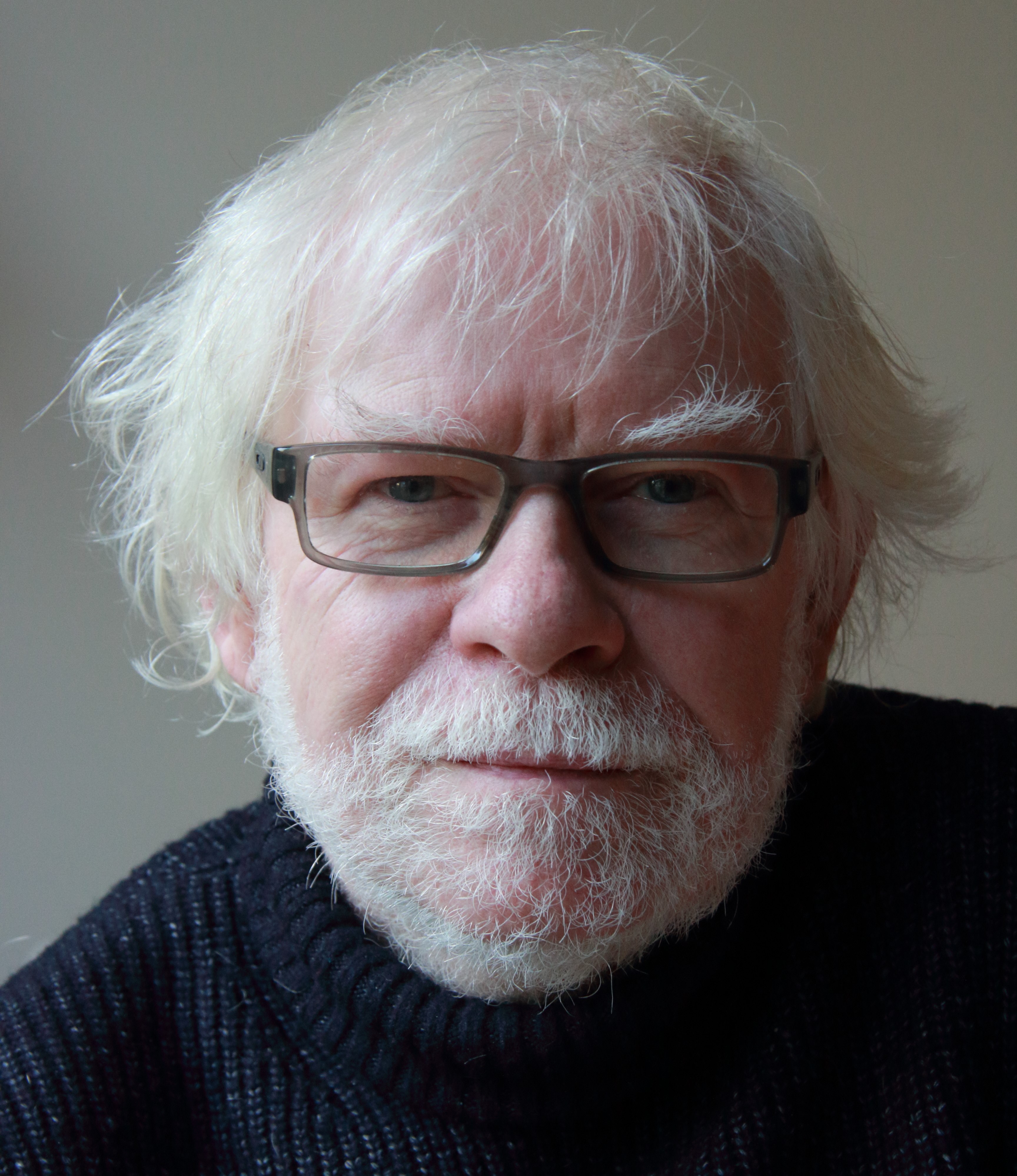
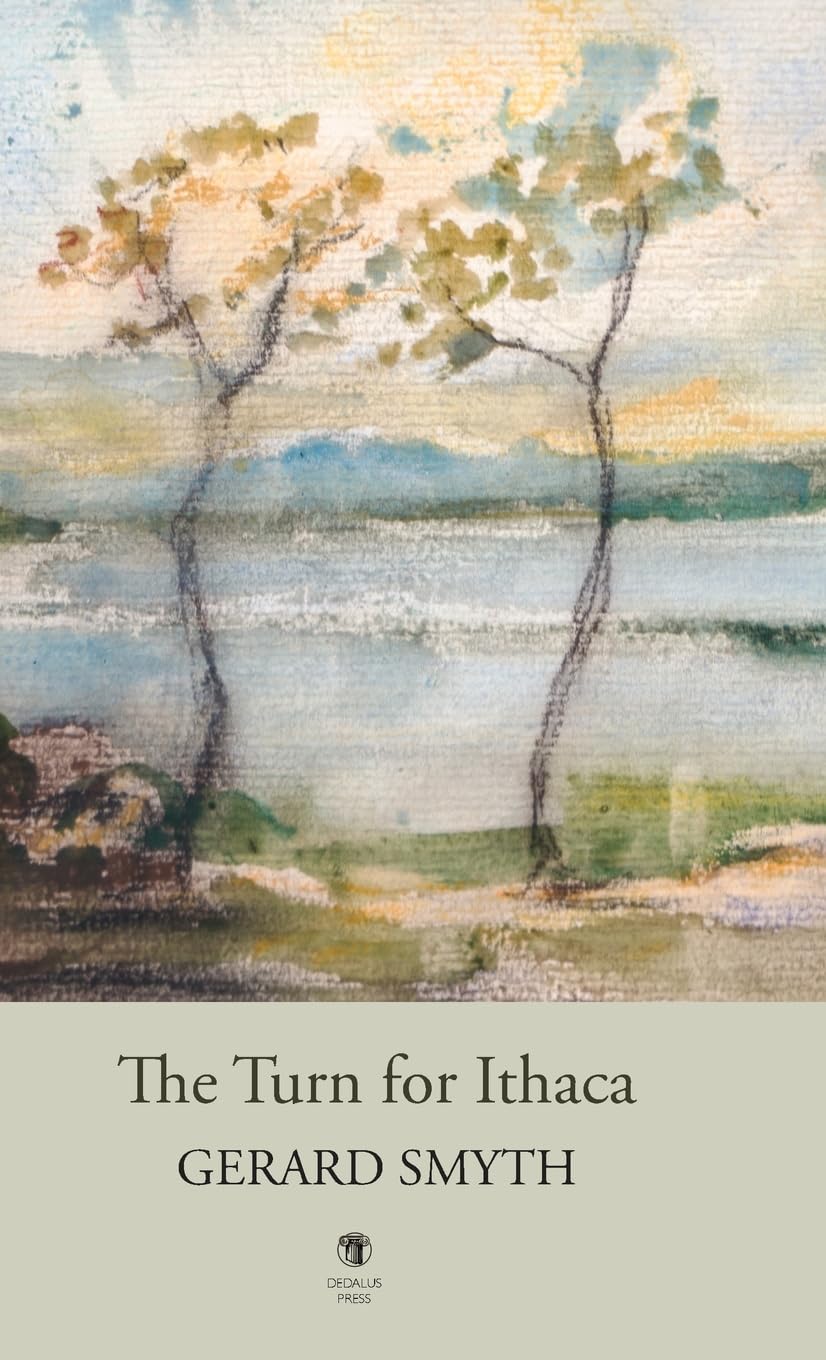
Gerard Smyth is a Dublin-born poet whose work has appeared in journals in Ireland, Britain and the United States as well as in translation. The Turn for Ithaca (Dedalus Press, Dublin, 2026 ) is his eleventh collections. Previous collections include The Sundays of Eternity ( Dedalus Press, 2020 ) and The Fullness of Time: New and Selected Poems ( Dedalus Press, 2010 ) as well as The Yellow River (a collaboration with artist Seán McSweeney published by Solstice Arts Centre, Navan, in 2017). His essay, River Gulls and City Horses: A Dublin Memoir, originally published in New Hibernia Review ( St Paul, Minnesota ) was noted in Best American Essays 2025. He was the 2012 recipient of the O’Shaughnessy Poetry Award from the University of St Thomas in Minnesota. www.gerardsmyth.com
*****
The High Window is proud to feature five poems from The Turn for Ithaca, a copy of which can be obtained by following the link to Amazon or The Dedalus Press.
*****
What critics have said
‘The Turn for Ithaca is a collection of exquisite acts of lyric generosity. Smyth’s technical accomplishment is lightly-worn, but the poems are the products of a lifetime of dedication and scrupulousness, of days ‘fine-tuning’ the art. The integrity and humbleness that infuses the work is matched only by the fiercely free spirit of a poet.’
– Sasha Dugdale, poet and translator
‘In Smyth’s poetry, history and inheritance, both familial and cultural, are key themes. His is a contemporary voice that celebrates Irish experience in the second half of the twentieth-century and beyond. Many readers will recognize their own life in his poetry, and there is much to treasure in his elegiac body of work which manages to be both uniquely personal while also attuned to the universal concerns of the human condition.’
– Adrienne Levy, Editor of Reading Ireland, the little magazine
*****
Gerard Smyth: Five poems from The Turn for Ithaca
EAVAN BOLAND’S DUBLIN
in memory
I was born in a place where rain is second nature
—Eavan Boland
It was a remembered city of wet umbrellas,
smoke from the chimneys, chimes from the steeples.
The last veterans were older by half a century
but as fervent as ever they were in the days of rebellion.
Fat pigeons perched on the statues of men
who stood on their plinths outside the halls
of rhetoric, close to Botany Bay.
It was a city of anomalies and contradictions,
enigmas and riddles. The street hawkers
set up their stalls next to the perfumed emporia.
The lights of Liberty Hall glimmered on Liffey water.
If you followed the bridges to the rivermouth,
the mailboat was waiting, ready to take the emigrant
out through the back door to London,
Manchester, Birmingham, Leeds.
On Grafton Street the era was changing,
the next generation making noises off-stage
in The Bailey, O’Neills, Bewley’s Café.
It was before the renovation of Speranza’s house.
Huguenot graves were hidden in a forgotten place.
In the remembered city of drizzle and downpour
secrets were safe, the ballads traditional
when sung in pub sessions on Saturday nights.
The buses were old, their numbers a code
to a clear destination out in the suburbs,
under the mountains, close to the sea
where the city was beginning to spawn new estates
and nobody heard of the patriots whose names
were given to the avenues, cul-de-sacs, smooth roads
where the stony roads had all disappeared.
CLOSER THAN WE IMAGINED
The summer was covered in Chernobyl dust.
We worried that the September berries might poison us,
that the newborn would have no tears to cry.
We waited for news from the danger zones,
paid better attention to which way the wind was blowing.
The shock of what happened got into our dreams.
We watched for sickness, some new disease
and watched each other for signs;
irregular heartbeat, burning cheeks.
No one would taste the honey or pull up the weeds.
The chimney sweep refused to clean the chimney.
We were amazed when mountain sheep were still alive
after weeks of eating grass laced with rain
from thick black clouds that came
from a country that was closer than we imagined.
THE NEXT COUNTRY WILL BE CLOSING SOON
Those who leave in a hurry leave behind
things forgotten in the rush,
the embroidered scarf,
the bible belonging to a grandmother
who never got further than Genesis.
Those who leave in a midnight dash
should prepare to swim,
don’t know where they’re heading
and don’t care so long as the road ahead
takes them somewhere else,
preferably daylight in the west.
Those who leave must say Goodbye
to the loyal dog, the canary,
the cat with six lives gone.
They cannot carry everything,
must choose between a family heirloom
and the new violin
a precocious child has been learning to play.
They will fall many times,
have sleepless nights,
receive a slap in the face to keep them awake.
Those who can’t run never catch up
with the quick and the swift who have no time to rest
because it is said
the next country will be closing soon.
DHARMA BUM
Kerouac said he saw his visions in newsreel grey:
his scenes from boyhood, a lost brother
who stayed in his dreams,
his own shadow running at speed on a football field
where he became a hero in the league.
Nothing could stop his dance
to the rhythms, the beats of typewriter jazz.
Kerouac said that leaving a childhood house
was a catastrophe of the heart …
And he knew about that, so many impermanent
addresses between Moody Street and Ozone Park.
He worshipped Thomas Wolfe and Lester Young,
the bebop he heard in Harlem clubs.
A long drive took him to a heaven of the mind:
the earthly delights of Panama Street,
Mexican sunlight, a bottle of Skid Row wine.
WHEN BOWIE DIED
When Bowie died the News at Ten
showed a line of tear-stained Bowie fans,
comrades-in-arms singing the verses
of Ashes to Ashes, Life on Mars.
They were building a shrine to Ziggy Stardust,
unfurling a flag with his portrait from the golden years.
That night the war on terror was low on the list.
The fall of statesmen hardly mattered.
It seemed as if the moon gave extra moonlight
for his long haul to whatever planet a Starman travels to
passing through Potsdammer Platz,
through the flash of paparazzi cameras.
It was dead of winter in Manhattan,
snow on the autobahn when Bowie died
leaving us with his requiem for Lazarus.
 The High Window
Gosh. Thank you for these, David. I didn’t know this excellent poet,
LikeLike