*****
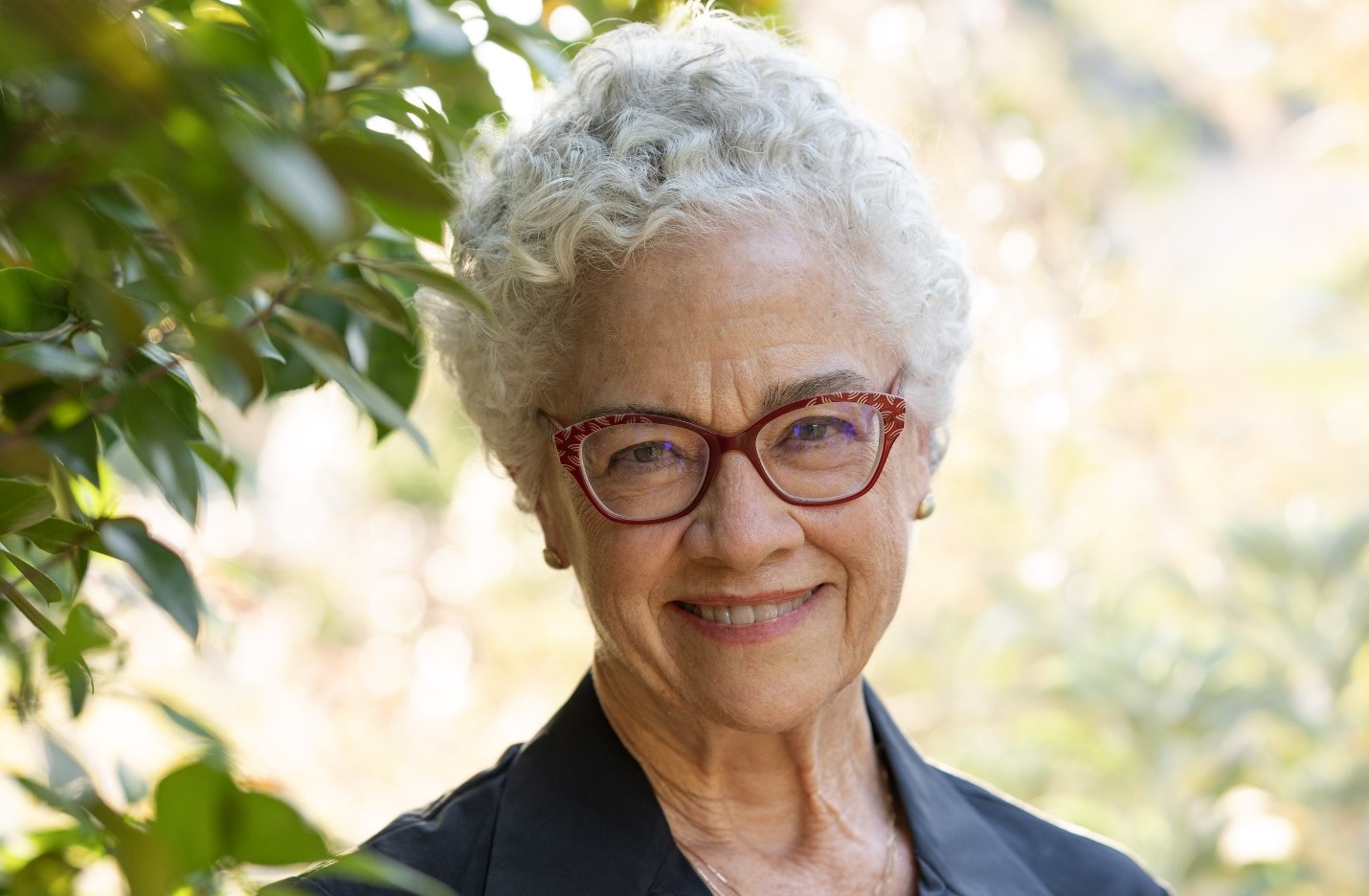
Mary Fitzpatrick’s poems have been finalists for the Joy Harjo Poetry Prize and the Slapering Hol Chapbook Award; short-listed for the Fish Publishing Prize; featured in Mississippi Review, Atlanta Review and North American Review as contest finalists; and published in such journals as Agenda (UK), Briar Cliff Review, Hunger Mountain, International Literary Quarterly (InterLitQ), Miramar, The Paterson Review, Pratik, Presence, Red Canary, Spillway, Terrain, West Trestle Review plus eleven anthologies. A graduate of University of California at Santa Cruz with an MFA from UMass Amherst, she is a fourth-generation Angeleno who lives in Pasadena and feels at home in Ireland.
*****
Eight Poems by Mary Fitzpatrick
ORNITHOLOGY FIELD WORK, AUTUMN 2020
xxxOur roof is lifting; the sky is bare. Facts
xxxxxxxxxxare facts. How many birds do you see?
In the great Southwest, Los Angeles, in Eaton Wash, my Rio Hondo
watershed backyard: there are neither flocks nor pairs but solitary birds.
xxxHow do these feathered loners augur our quieter future
xxxas the tide of birds recedes?
Phoebe on the bench. Birdbath with finch. Bewick’s wren dropping
from a low oak twig. These three flit a triangle: bench, bath, tree, each
xxxOne in every five lost in twenty years. Was it the chimney
xxxstacks of western fires that
one taking turns at water, swooping out for an insect, prowling
grass. Bugs and seeds, bugs and seeds. Rain needed. Black phoebe cries out
xxxxxxxxxxpushed the migrators east this year over the desert
xxxuntil, underweight, they fell out of the sky,
as she loops wide for a fly like an outfielder calling, It’s mine!
Secretive wren. Finch gregarious as if nothing’s amiss, but I can see
xxxxxxxxxxbirds by the thousands: violet-green
xxxswallows, warblers, wrens. The air grows still.
him studying, watching side-eyed. Raptor? Food?
Russet chest. Substantial. Even he will vanish.
Note: Since 1970, the world has lost three billion birds in the U.S. and Canada
(Science article via Cornell Lab of Ornithology). Other facts from ornithologist Martha Desmond in Las Cruces Sun-News and various other news sources (Aug-Dec 2020)
ASSIGNMENT: BIRDWATCHING
I want to tell you about the dream
where I saw a California thrasher so close
I could see gold feathers suffusing
its brown chest, could see long enough I thought
I might discern a sunrise there before
it flew off, leaving me
with the hard sense of its curved bill
and a vision of the grubs it pierced.
xxxxxxxxThe next night
I dream the yellow-rumped warblers,
ruby-crowned kinglets, Cassin’s kingbirds,
and lesser goldfinches I hear
but do not ever see; yet here they flit
into a birdbath right in front of me
flicking splashes and chortling while a lookout
scans the sky for danger.
xxxxxxxxxxxxxxxxxxxxxxxxxxxEven without binoculars
I enjoy these birds I study,
yet resign myself to not seeing, and think
if it’s only in dreaming I can view
their sleek antics then let me sleep the more
I open the back door and there
a common hoopoe
raises her head from bug hunting
and stares back at me, her corona
of ruddy feathers, tipped in black, glows
a moment, a sunset halo,
then she hooes, flies off
and I read her name in the soft air.
I’ve always wondered
how to say it. Morocco,
isn’t that her native land?
xxxxxxxxxxxxxxxxxxxxxAnd what a sadness
Birdwatching – 2
to think I won’t see one again
unless
she builds a nest. I must check
for grass swirls, padded, cupped,
tucked like a soft pillow
hidden away. Near that
let me lie down again.
HOW TO DRAW A QUAIL
First the full breast
Round and heavy as a mushroom
Nestled in the grass, grey as morning
Fog’s silk stockings
Next the wing, hinged
On back, opposite arc
To breast, dun and flecked
With grass-seed heads, dew, invisibility
Head a small periscope
On a stumpy neck, swiveling
For what teeth
Would not love this body
Hard pencil her black beak
Made for seeds
And kacking an urgent call
To bring chicks running
Topknot. A curl a question
A prize. Inky velvet.
Wiggles when she walks.
Every milliner’s dream
Blacken in the chin. Her tail
I can’t recall: blunt version of
A turkey’s fan or some russet longish feathers
Trailing. Never mind. We’ll see it
When she leaves.
BRIGHT
She’s with me this weekend, the curly-headed whip-smart
daughter of my son. I fear I shall tire of her
questions. Why is the canary in a cage?
Are all canaries that yellow? Does he have a machine
inside him? Who changes the newspaper? Can’t he ever
go outside? But they’re good questions. I see
the bird through her eyes: why didn’t I ever
name him? The joy he brings
when I lift his nighttime shroud
makes the scattered seed, the seething mites
nothing. Breakfast’s always
brighter and it’s not the sunlight.
Little warbler — full of longing
for the bird — sing.
DEBATE
In the cul-de-sac behind my home
outside my bedroom window, I listened
to two owls hoo back and forth, each
to each. It was election season.
One spoke, the other answered.
They neither teased nor stinted, sharing
the same deep voice. The respondent
never jumped ahead. The asker
did not stop asking. It was election
season. On television, two candidates
bickered and protested. One had to
remind the other I’m speaking. But
the sonorous owls took turns. It seemed
they lived to hear one another. The night
opened a soft channel for their voices, just
two notes. Simple. And they said so much.
MONTANA DE ORO STATE PARK, CALIFORNIA
Full of awe for the magic of the place,
coastal dunes, sea’s flare, scrub shrubs
and soft-pale, sandy soil. In fading light
I’m walking back to camp with water
and my toddler by the hand. Shh, do you hear
this rustle in the bushes? What animal
do you think we’ll see? Perhaps bunnies? But rustling
becomes a tussle and now great sepia wings
beat back the bush, reveal a twining, four-foot,
writhing rattlesnake, thick and locked in fat
tallow claws, thrashing up sand and spew,
a battle the enormous golden eagle exudes
certainty she will win, while snake, fanged
muscle, reaches up to strike her
as she glances sideways — nervous about us —
and so ascends, the choking snake beneath her.
GOOD MOTHER
She found the bald, bug-eyed baby bird
sidewalk-stranded with no nest in sight. It waited,
as she waited, for a mother to come. But late, scooped
into a cottoned box, the child brought me the bird,
peeping and shivering in its naked state. I knew
I’d need to set the clock for feeding, place it
on a cushioned hot plate, guard against flies
and hope for luck. Normally the girl visited me
for sweets, but this time with her gift. We’ll dig
for worms, I tell her, and, with a bit of cornmeal,
make a slurry. Now, there’s a good bird.
There’s a good bird: head back, eyes shut, mouth wide
and waiting for your mother’s gush of seed and squirm. Her
terrestrial scraping. Sleep for me a couple hours,
please, and fatten. Dirty your cotton-ball nest,
lurch like a drunken wind-up toy and, through
your pimply skin, sprout feathers. We can’t disappoint
the lass who comes to check on you daily, brings
you her breakfast and holds you, warm, in her dress lap.
I heard her sing a little song to you. Rockabye baby…
How is it you fell? And what child,
abandoned, can bear to let a nestling die?
BUSHTIT NEST
Bundle of brown oak blossoms
That dangled pollen in breeze
Gathered one beak-full at a time
Bundled with spit and spiderwebs tamped —
How many bushtits were needed
To make this nest? An architectural
Marvel, dangling like a tube of wool
Or a muff. How did it hang and not
Fall months until the Santa Anas pushed out
Spring for summer? How many birds —
And how demitasse — hatched in that pouch
Chamber at the floor of an esophageal tunnel
Inner as the inside of a mouth?
Dark and safe from pry from predator
What art to take the better of one fleet life
To gather all that oak duff — plus
pinfeathers, twigs and moss — and build
This womb for eggs and chicks.
 The High Window