*****
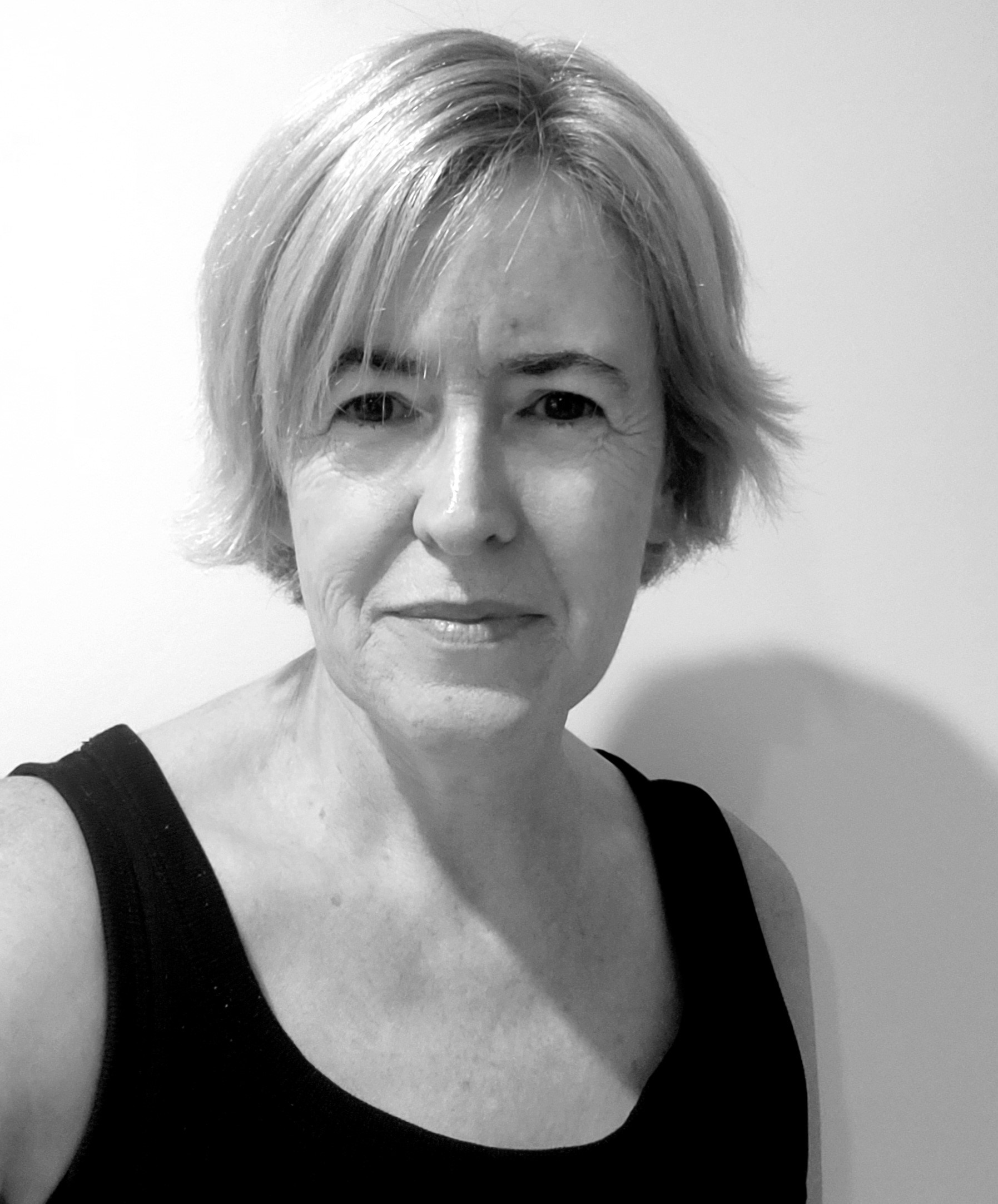
Julie Breathnach- Banwait is a bilingual poet, writer, visual artist, a chartered psychologist and member of the Tinteán Editorial Collective. To date she has had three poetry collections published with two of those being bilingual, and one co authored with the Australian Irish Language poet Colin Ryan. Her fifth bilingual prose poetry collection – hypnagogia/hiopnagóige is imminent with Pierian Springs Press (Hypnogogia – Pierian Springs Press). She has had articles and poetry published in The Irish Times, and in various anthologies such as The Waxed Lemon, Poetry Ireland Review, Channel Lit Mag, Howl New Irish Writing, Trasna Literary Magazine, Crossways Literary Magazine, Iris Comhar, An Lúibín, Aneas, The Mackinaw: a journal of prose poetry and in The Galway Review. Her poetry has been included in Bone and Marrow / Cnámh agus Smior: An Anthology of Irish Poetry from Medieval to Modern, Washing Windows V (Arlen House, Dublin) and Poetry D’amour in Western Australia. Her work can be seen regularly in Tinteán Magazine (Australia).
*****
Julie Breathnach- Banwait: Six Poems
RIGHT STRETCH TOWARDS ROSS
The Heritage trail suggested a stop at Ross. Admire the quaint features of our Heritage and past lives it screams. Observe the quirky village. A large black cannon on entry, open-mouthed and drooling, pointing towards the centre of a tree-lined street, a zipper opening and slicing the town in two into the distance. Wrap-around verandahs encasing cladded houses and stone post offices comfort me with their familiar aesthetic. Their sandstone skins, the bottle-bottom panes of their oak-browed windows, the slight curve of old rafters – the saw’s teeth marks still patterend along its curves – bending under modern roofs. Quaint ice cream parlours and morning tea shops, scones, still crowned with a blanket of flour, piled clumsily and spilling off cake stands, the yellow and seedful passion fruit glaze reflecting off baked cheese cake slices arranged, like china ornaments behind glass cases. Houses, once homes of the fearful, rifled stock men, broad-hatted and reddened by sun, the braces of their breeches creating indents in their shoulders. Now frozen in black and white Heritage scrolls, telling tales of tree lopping and dam piling. Their boots curled and muddied. Cowering behind bullets and muskets, sledge hammers and pickaxes, busying themsleves creating there here. Those pistols and cannons, shaping landscapes, forming alternative narratives and sculpting familiar worlds. Rosing and fencing front gardens, shaping and moulding into boundaries only understood by them. The ashes of the hollowed pipes burning in backyard grates. The wooden spears rotting in back gardens. Until one Heritage completely consumes and digests another.
*
An síneadh ó dheas go Ross
Molann an Cosán Oidhreachta dúinn síneadh a dhéanamh ó dheas go Ross. Déan suntas d’oidhreacht ghleoite a screadann sé. Déan tagairt d’ár mbaile beag galánta. Ag béal an bhaile tá na gunnaí móra béaloscailte prislíneach á ndíriú féin ar lár na sráide. Sráid breactha le crainnte móra glasa ar gach taobh, ag leathnú mar a bheadh zip á oscailt is á ghearradh ina dhá leath i bhfad uait. Vearanda á bfhilleadh thart fá na dtithe beaga le craiceann pleancanna adhmaid péinteáilte, i ndathanna pastalacha boga is síochánta. Tithe poist a thugann compord lena dteanntán. A gcraiceann gaineamhchloch, malaí a gcuid fuinneoga dairdhonna, pánaí mar a bheadh tóin buidéil, cuair a gcuid sean-rachtaí – lorg fiacla na sábha fós mar phatrún trasna orthu – is iad faoi mheáchan díonta nua-aimseartha. Parlúis ghleoite is tithe beaga leagtha amach le haghaidh tae na maidine, scónaí is pluideanna plúir fós ar a gcoróin, i gcnocáin caite go ciotach is ag doirteadh óna plátaí, hata gléas páiseoige – buí is breactha le síol dubh – ag lonnrú ar chacaí cáise is iad sínte, mar ornáidí poircealláin i gcásaí gloine. Tithe, a bhí mar theaghlaigh uair, do na fir stoic úd, na fir leis na muscaeidí meirgeacha sin, na fir fhaiteacha, hata leathana orthu is iad deargtha le grian, guailleáin a mbrístí ag fágáil gleannta ina nguaillí. Is anois reoite, i scrólanna dubha is bána, ag insint scéalta mar gheall ar chrainnte gearrtha is dambaí caidhilte. A gcuid buataisí fillte síos, dubh le puiteach, ar an bhfoscadh taobh thiar de mhuscaeidí is urchair, oird is piocoird. Is na picoirdí is na gunnaí móra sin gnóthach, ag tógail bailte as an mbaile, is iad ag múnlú críocha, ag cruthú scéalta nua is ag dealbhú tíortha nua. Luaith na bpíopaí cuachacha leáite i ngrátaí, is na sleánna adhmaid ag lobhadh sna cúlgharrantaí. Go n-ídíonn oidhreacht amháin iomlán oidhreacht eile.
***
WORD DROUGHT
If words fail, if words stall, are blunted and cold, marry the brush. Smear its colours across the skin of the canvas until light and shade breathe, becoming a human form, or animal, or both. Taunt its crevices, the pit of an arm, the swell of a gut, the hardened muscle of the shoulder, an elbow bent, a neck withered by sun and age, the dip of a knuckle, the flaccid curve of an aged lip, the half-sunken dimple of a plump cheek. Let the words slumber, for they are tired of being your vehicle for expression.
Pull the canvas close to the chest and freewheel, lure its vocabulary forth and woo its words like a lover beguiled. Extract it from the tip of its mouth before it gets the chance to morph or nestle. Trap it in its wake. Shackle it to the ground. Work with earnest, shape its gut like your own, observe how its expressions mould and spill. Set them aside, into a glass purse or a suede sparán, in a jewellery box at the back of the wardrobe, for a rainy day, a sunny day, a windy day, when they are in the need of evolving and buffing and playing with.
*
Triomach focail
Má theipeann ar na focail, má tádar maol is fuar, pós an scuab. Déan cuimilt ar a cuid dathanna trasna ar chraiceann an chanbháis, go dtagann anáil sa mbán agus sa ndubh, go dtagann beocht air mar dhuine, mar ainmhí, nó iad beirt. Déan saighdeadh ar a chuid scailpeanna, gleann na hascaille, at na boilge tite i bhfeoil, matáin chruaite na guaillinne, uillinneacha bioracha, muineál atá seargtha le haois, altáin i gcrúmpáin na hailte, cuar lag na mbeola liobracha slogtha le haois, loigíní leathbháite na leicne. Lig do na focail néal a ghlacadh, mar nach iad gléas d’fhógairt inniu.
Tarraing an canbhás chuig do chliabhrach is déan saor-rothaíocht. Meall a fhriotal as is déan comhluadar leis mar a chuirfeá ortha ar leannán. Déan iad a stoitheadh as barr a bhéil sula bhfaigheann siad seans leathnú ná neadú. Déan daingniú orthu. Cuir croimeasc orthu. Le meas. Cruth gach ceann ar nós mar a chuala tú den chéad uair iad, déan múnlú ar a bputóga, déan suntas conas a dhoirteann siad, is conas a thiteann siad. Cuir i dtaisce iad, i vása gloine nó i spárán svaeid, i mboscaí seoda ar chúl an vardrúis, go dtiocfaidh lá báistí, lá gréine, lá gaofar, nuair atá fút tairbhe a bhaint astu, iad a sciúradh is damhsa a dhéanamh leo.
***
PRETENCE
You’ll see before you the great hero
when spring bursts
that Jacaranda screeching
its colours along its branches
its operatic voice
its musk taunting the senses
each flower each bush waning in its shade
and each tree falls in adoration
the glory of its cowl of violet
the authority of its stance a stoic colonel
its arrogance in overcoming, achieving each feat
its acrid command directing
the king of trees, pulsating as
the garden’s heart
until its hood collapses
and it is observed that its
hunched bare skeleton is as vulnerable
as the grass
*
Cur i gcéill
Feicfidh tú romhat an gaiscíoch mór
nuair a phléascann an tEarrach
an Jacaranda siúd ag screadadh
a dhathanna trasna a ghéaga
a ghlór ceoldrámach
an musc ag saighdeadh ar do pholláirí
gach bláth gach tom lag ar lár ina scáil
is titeann gach crann roimhe á adhradh
glóire a chomhail chorcra
údarás a sheasaimh mar choirnéal stóchúil
a shotalacht ag sárú gach geall buaite
a ghuth garg ag leagan amach
rí na gcrann ag preabadh mar chroí
an ghairdín
go dtiteann a chochall chun talaimh
is go bhfeictear go bhfuil
a chnámharlach craptha lom
chomh briosc leis an bhféar
***
AWAKENING
It’s winter now three years, and she is stranded swaying with the darkness of her lover in a coop without window, door nor respite. His breath is on her neck and his fingers pierce her head like a bowling ball. His voice surges from her lips, cascading and churning, vespers and curses unknown to her. Fever, illness, fatigue, faintness, bouts of blinding nausea. She sits with him. Under the weight of his iron blanket. Under the cloak of his belief.
When light seeps through the gaps between the door hinges and the floorboards, when the weighted buds appear on the branches like they are full, spilling over with energy, awaiting new blood, a shift will occur, and he’ll fade, as he won’t recognise the glare that blinds him.
*
Beochan
Tá sé ina gheimhreadh anois le trí bliana is í i dteannta ag luascadh le dorchadas a leannáin, i mbráca gan fuinneog, doras ná teacht as. A anáil ar chúl a muiníl, a mhéara ag tolladh a cinn mar bhál bolla. A ghlór ag tonnadh óna beola, ag scairdeadh, ag meadráil, urnaí is eascainí gan aithint. Fiabhras is tinneas, scís is múisiam masmais. Suíonn sí leis. Faoi mheáchan a phluidiarrainn. Faoi chlóca a chreidimh.
Nuair a dhéanfaidh an solas briollacadh trí scailp idir áirsí an dorais is cláir adhmaid an úrláir, nuair a bheidh bachlóga ar ghéaga ag beochan mar a bheidís lán, líonta thar maoil le fuinneamh, fanacht is fuil nua, bogfar. Is sínfidh seisean siar mar nach n-aithníonn sé an scaladh úd a chaochann é.
Note:’Awakening /Beochan’ is taken from the bilingual book Cnámha Scoilte/Split Bones- a collection of prose poetry published by Bobtail Books in 2023. The poem can be heard in both languages on the Irish Stew Podcast S6E13: Julie Breathnach-Banwait – Irish Poetry From Tasmania.
***
BURIAL
A drizzle of
rain threatening
clusters of clouds
stretch ahead
a blue cowl
formed like a hovering roof
limp scraws
stretched aside
her people’s bones
aroused
from serene slumber
welcoming her
to eternal sleep
a quiet whisper
chewing
from a man’s mouth
shrouded and
attired in robes
flapping
in a ghostly whistling wind
words and vespers
not heard
but seen
in the faces of women
blindly they peered
-those ghosts-
over me
beneath me
through me
as I wasn’t there
but as a dead empty
corpse
only
*
Adhlacadh
Brádán
báistí ag bagairt
cóisir chlabhtaí
ag síneadh romhainn
cochall gorm
i bhfoirm dín ag foluain
scraitheanna sleabhctha
sínte go leataobh
cnámharlach a muintire
á múscailt
ón néal sámh
á fáiltiú
chun suain síoraíochta
cogarnach chiúin
á chogaint
ó bhéal fir
faoi chumhdach
i bhfeisteas róba
ag clupaideach
i bhfeadaíl gaoth shiógach
focail is feascair
nár chualathas
ach a chonaiceas
in éadain mná
dallta a ghlinníodar
-na taibhsí úd-
tharam
fúm
tríom
mar nach rabhas ann
ach mar chorpán
marbh folamh
amháin
***
LOOKING AT BLACK
The azure seas beckon
and the depths of the glimmering sky
shimmer like a silver gemstone in sun
the grass tickles the tips of my ankles
and there are mirthful beaming people
in this idyll I’m told
lounging on golden shores
absorbing strength from sun rays
the gumtrees on the hilltops
genuflect
doting on the sun’s glory
the red sands shriek
like a seething lit fire
and shades never seen are flaunted
in the plumage of the cockatoo
he only perceives
– with his body or eye –
black
*
Ag breathnú ar dhubh
Tá gormghlas na farraige ag glaoch
is doimhneacht ghlaineacht na spéire
ag spréacharnach mar sheoid airgid i ngrian
tá an féar ag cur dinglis i mbarr mo rúitíní
is daoine meangacha meidhreacha
san ídil seo deirtear liom
ag learaireacht ar thrá óir
ag alpach neart ó ghathanna gréine
tá na crainn ghuma ar bharr cnoic
ag umhlú
ag leanbaíocht ar ghlóire na spéire
tá an gaineamh dearg ag screadach
mar smól tine bhorb lasta
is déantar gaisce ar dhathanna nár cruthaíodh ‘riamh
i gcluimhreach na gcocatúnna
ní airíonn seisean
– lena chorp ná lena shúil –
ach dubh
Note: ‘Looking at black/Ag breathnú ar dhubh’ and ‘Burial/Adhlacadh’ have previously appeared in the bilingual book Ó Chréanna Eile/From Other Earths, a book of bilingual poetry co- authored with the Australian Irish language writer Colin Ryan.
***
 The High Window