*****
Denna Mineva • Dimana Ivanova • Ekaterina Grigorova • Galina Nikolova • Georgi Gabrilov • Gergana Pancheva • Kristin Dimitrova • Ninko Kirilov • Roman Kissiov • Tatyana Daskolova
*****
NB: Links to previous translation supplements can be found at the bottom of this page.
*****
Introduction
Georgi Gospodinov and Angela Rodel winning the International Booker Prize in 2023 for the latter’s translation of the former’s novel Time Shelter has undoubtedly helped to put contemporary Bulgarian literature on the Anglophone map. Gospodinov himself is a fine poet (he features in The High Window’s 2017 Bulgarian translation supplement) but there are, of course, many others, including those also featured or reviewed elsewhere in The High Window: Petar Tchouhov, Khairi Hamdan and the late Marin Bodakov.
The selection of translations that follows cannot claim to be comprehensive, but includes work by both established poets and those who are perhaps less well-known or widely published – at least outside Bulgaria. It is, in other words, a personal snapshot of contemporary Bulgarian writing rather than an attempt to present a coherent and all-encompassing portrait of what’s currently going on here – which would anyway be impossible. Nor does it include work by the generations that preceded these poets and whose legacy, to some extent, they have inherited – that of Blaga Dimitrova or Hristo Fotev, Geo Milev or Peyo Yavorov amongst many others. My hope, however, is that it does at least indicate the diversity and energy of contemporary Bulgarian poetry, the writers’ concerns with the felicities and ambiguities of language and the pursuit of trains of thought, emotion and imagery that, to me at least, seem to distinguish eastern European poetry in general from its so-say western counterpart. [Tom Phillips]
*****
The Translator
Tom Phillips is a UK-born writer, translator and lecturer living in Bulgaria where he teaches at Sofia University St Kliment Ohridski. His poetry and translations have been widely published in journals, anthologies, pamphlets and full-length collections. His translations of the Bulgarian modernist poet Geo Milev are soon to be published by Worple Press while translations of his own poems recently appeared in the Bulgarian anthology The Heirs of Chaucer (Iztok-Zapad, 2024) compiled and translated by Alexander Shurbanov. He is a contributing editor/translator to the website of contemporary Bulgarian writing Bulgata.
*****
Denna Mineva: Three Poems
THE DAYS THREAD TOGETHER
the old ones brighter
the new ones newer
the days thread together
we sew them together
snowfall after snowfall
spring after spring
snowdrops
the summer does without them
the autumn returns them
to winter and the world
the old ones brighter
the new ones newer
SUNDAY
in front of the cathedral church
beside a lively boulevard
on a February Sunday
not people in her garden, but flowers
and yet we both have
pens and notebooks
wine too and a key
we’re talking
and crooked teeth bite into
the mouth of the wine
even only on the outside
crooked on the inside
they can’t endure beneath the stone
the tongue verifies
we sip
my hand conducts
in my pocket the other
finds a little
of everything so far
head and body
of a key
the conversation continues
a few words
are left beneath the leaves
we’re smiling
what’s broken is less
and less already
a smaller key
and the bench rocks
to rhythm and blues
and I get the point hidden
in this afternoon
in this Sunday
one locked door
less
so far
YOU AND I
we live on two sides
of an old hotel building
the distance is invisible
the windows are gleaming squares
maybe you’re reading drawing composing
we’re at an angle
the distance is invisible
sometimes we see each other
I bring wine
and wishes from before
a distant journey
that comes back like an echo
when my voice brightens
and you forget we broke up
and stick with me
and you’re humming
along with my brightening voice
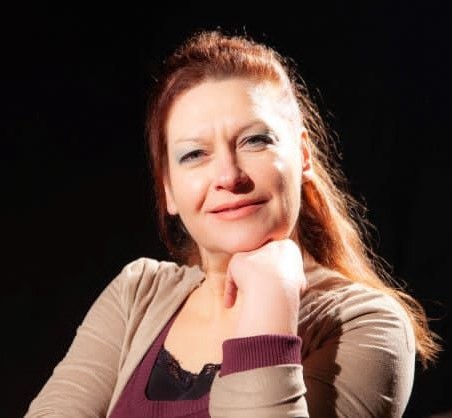
Denna Mineva (Denitsa Mineva) was born in Pleven, Bulgaria. She studied piano at the P. Pipkov Music School and took a master’s degree in sociology from Sofia University St Kliment Ohridski in 1999. After working in a marketing research agency, she lived, travelled and worked in different countries and continents, but currently lives in Sofia. Her poems have been published in Bulgarian, Spanish and Colombian magazines and her first book, Dictionary of Desires, was published in 2022.
*****
Dimana Ivanova: Three Poems
JAPANESE WATCH
A Japanese watch, brand-name Java,
beams from the window of Tesco.
The watch with a tiger-stripe strap
erotically strokes my face.
What’s love? I often ask myself,
the Japanese watch ticks glumly.
What’s erotic? I also ask myself,
the watch stays pensively silent!
I used to love looking at books
in the antique shop windows
of Prague’s old quarter,
I loved to look at them,
oblivious, for hours.
Now I love to look for hours
at the pensive parchment of your skin
and feel it gently on my arms
like the strap of a watch.
Don’t look at me with such
a wide face dilated in pain,
counting the minutes to the end,
but today sadly breathe in my love.
And above this hellish abyss,
wind our lives along the genetic coil,
before the tip of its blue spiral,
and disappear at the last minute.
MUSIC IN THE SILENCE OF THE NIGHT
For Claudine Bertrand
The night is cruel,
I sense your laughter in my veins.
Two she-wolves in the night,
the landscape, watching, silent.
The bodies are white and unseen,
the night owls are laughing.
The bodies speak with soundless, unknown words.
BRUSSELS
Your body is like a piano of Belgian chocolate – I’m thinking,
while drinking coffee in the café in the Mont des Arts.
I’m tapping its keys in time
with the tune in C minor.
It melts
while the major chord in me screams.
The whole city passes by below –
tourists,
artists,
musicians,
lawyers,
executioners …
I’m playing the piano of Belgian chocolate
and the sunset’s watching me.
Gradually people disappear beneath me,
only the street musician’s left,
playing the last chords of his song
in the hope of stirring love in human hearts,
maybe in that of his lover.
I drink the last drop of coffee,
the last melody’s been played,
the piano of Belgian chocolate has melted
beneath my fingers’ passion.
I’m left alone with the Moon,
From where you watch me and smile
happily.
Today the melody’s already over,
but tomorrow you’ll meet me again
at just the right tempo,
in a dress in Secessionist colours
and with a body as beautiful
as a piano of Belgian chocolate.
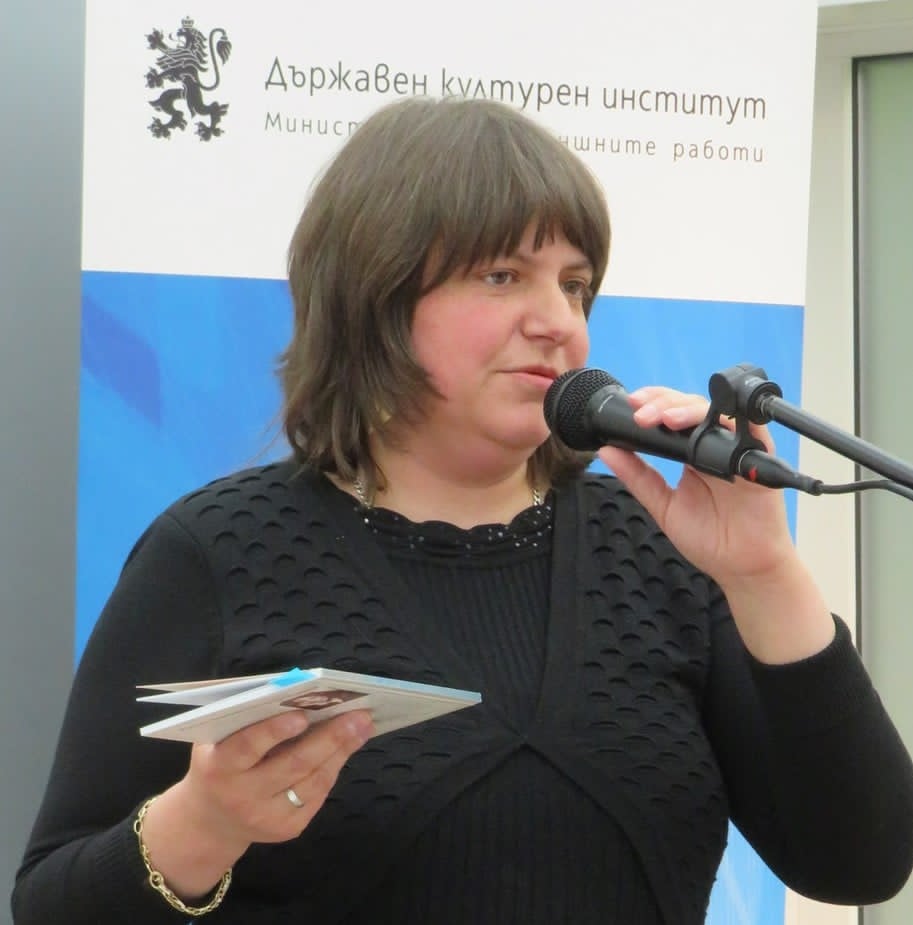
Dimana Ivanova has published six volumes of poetry – three in Bulgarian, one in Slovak, one in Serbo-Croation and a bilingual Czech-English selection. Her poems have been translated into more than a dozen languages and published in many literary journals and anthologies, both in Bulgaria and abroad. She currently works at the Slovak Embassy in Sofia.
*****
Ekaterina Grigorova: Three Poems
POETRY
falls unexpected on the tongue of the barometer.
With its finger it spins nine swallows around the nest;
ruffles the hair of the girl. Of the boy!
At night the predators’ headlights fuse
into the hypnotic Om of the road,
and somewhere further into the field a mouse is afraid
to put out its snout from its shelter in the dirt.
Its whiskers patter on the crystal shaft of silence,
testing first the endlessness of death.
(How close to her home is the cruel human species
she can sniff from afar!)
Poetry comes with the wind
that pricks up ears and stirs up rubbish,
but once the worst is over,
it floats again above the shimmering turquoise fields
to graze without end on the sea’s upturned lips.
Calm! Wise!
As if butter wouldn’t melt in its mouth!
ENDEMIC SEA
This mountain’s like that: an endemic sea.
It smells of rain in the morning.
A little sun shines at noon.
And again it smells of rain.
It rains in the afternoon.
In the evening mists rise
still higher up,
where a woman with a swordfish’s head
repairs the shore instead of a net.
When the net is ready,
the fisherwoman launches the boat
and wades into the lava of deep snow,
clouds and granite.
Oxygen’s rare,
bringing visions and hailstorms
of bracken.
But not for the woman sword.
Constantly in motion,
she hunts for ice pearls in the open
blue lakes and the salty snowdrifts.
Below in the emerald green lagoons
the wind communes with its octopus garden.
You can hear the sails of its colours in the sunrise.
Late evening a butterfly returns
to the paper lantern,
shining with its single wing
on the surface of the dark.
But the sea is denser than night,
higher than the flames of the stars.
And the woman has nothing to say
in the salty mountains
other than to fish about fish.
HISTORY’S GAME
We were always slaves or partisans
who didn’t revolt, but ran away.
We hid in a rough shack in the yard.
We choked in there on sweet bread
and watched through the gaps in the wooden door
to see if the Turks were coming;
and then if the fascists were at hand.
But the Turks didn’t come, nor did the fascists.
Mostly our father went by
with a bag of cement or a Bulgarian-German dictionary
under his arm,
the leaves of the tomatoes trembled
and at times the wind lifted the edge of the nylon
on the vegetable bed.
(A motorbike flashed past more assertively than the wind at Cunewalde –
best holiday ever!)
The lettuces were crunchingly fresh and our shoulders tingled
as if a gust more lasting than our curiosity
out of nowhere uncovered our bewildered heads.
Whatever went on outside,
we kept ourselves entertained.
The chilly weather tied in beautifully with
the warm bread bought from the village bakery before noon.
To value food because of scarcity
wasn’t exactly a childish perversion,
though we chewed so slowly
and greedily rolled our eyes.
Oh, how the tomato leaves quivered
and bristled in the wind again!
We could hardly stop ourselves
hugging the dolls to the point of suffocation
shielded by the hideout door.
That door was a kind of exotic mashrabiya –
the fine grid through which
we could only see from the inside out.
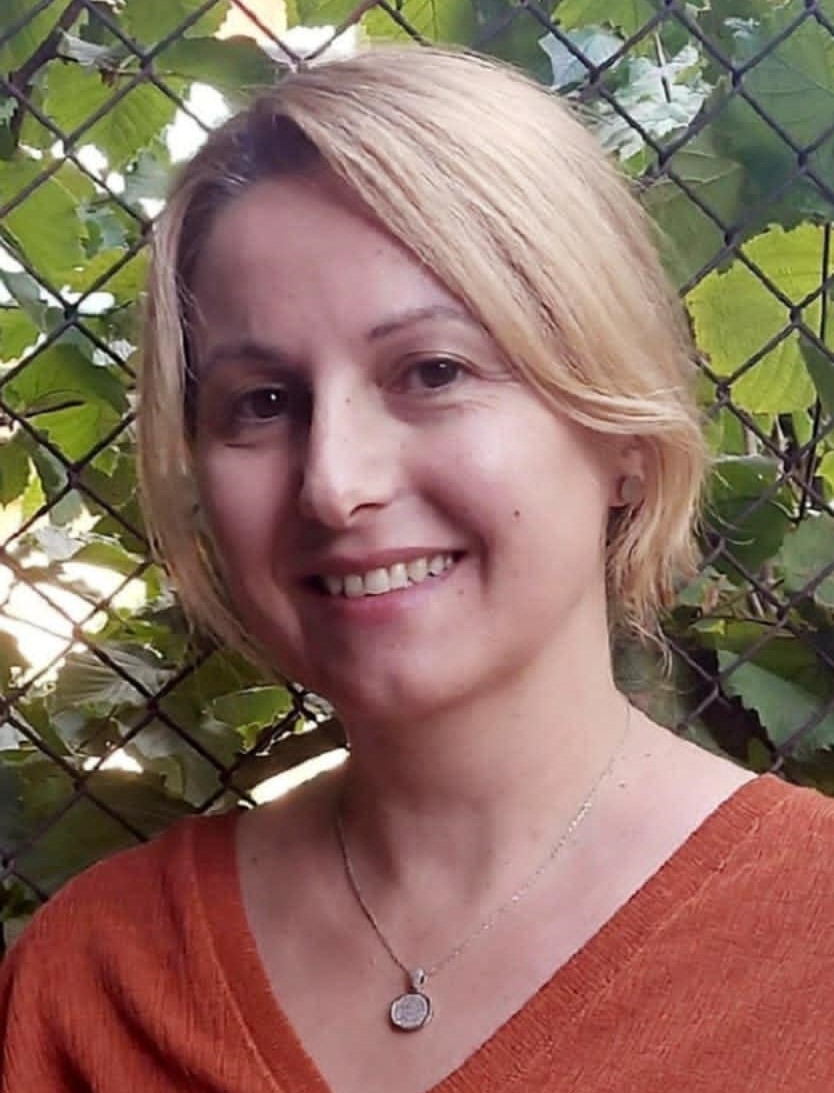
Ekaterina Grigorova (b. 1975) is a Bulgarian poet and author of four poetry collections, Faraday’s Cage (2013), Board on Wet Sand (2014), Empty Dawn (2019) and Wood Falls into the Fire from on High (2024). Nominated for numerous awards, her work has been translated into English, Italian, Hindi, Greek and other languages. She is currently assistant professor of modern Greek language and literature at New Bulgarian University in Sofia.
*****
Galina Nikolova: Three Poems
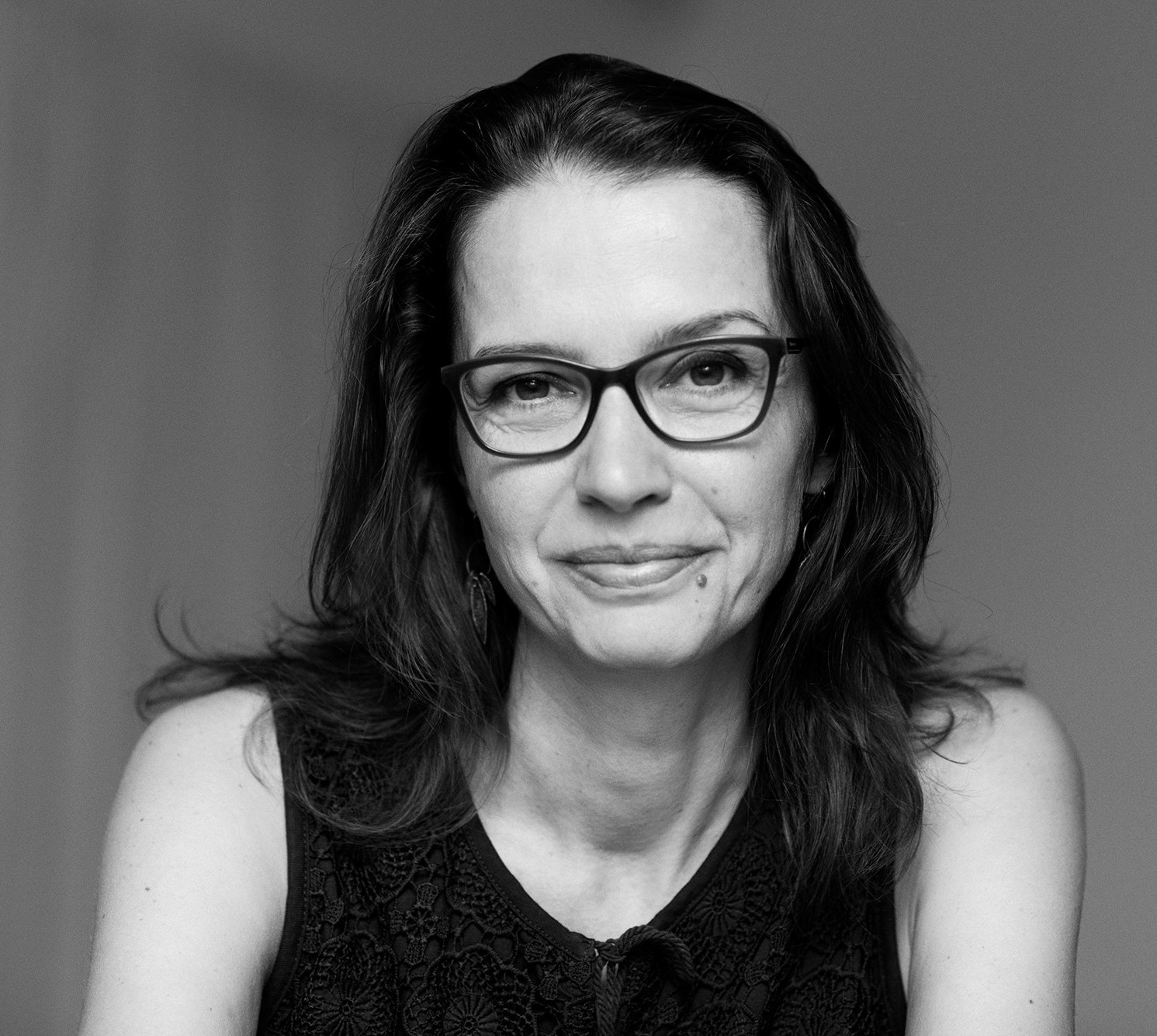
***
In the garden of my parents’ house
it’s timeless at first. After a few days
time begins to flow, slowly to start with.
If I stay longer, I gradually start to remember
that everything has its rhythm,
that everything takes as long as it needs.
The cat is pregnant
for as long as it needs.
The basil stalks sprout from seeds
for as long as they need.
It takes a whole year to see
if the little apple tree will fruit
enough for three trees.
You can’t say to the rose: bloom now
because I’m here to see you.
Nor to the rain to stop.
Nor to the mulberry tree to blossom.
In the garden of my parents’ house
everything takes as long as it needs.
Just like everywhere else.
But we forget.
***
I’m strolling through my imaginary garden.
It’s large and there’s a wood at one end.
That’s precisely where I find a doe with a stab wound –
deep, life-threatening.
I think about how to transport it to the nearest
veterinary surgery
or to the Wild Animal clinic
and just about then I say to myself
I don’t actually want to find
such things in my imaginary garden
Let’s try again.
I’m strolling through my imaginary garden. It’s large
and there’s a wood at one end.
That’s precisely where I find a doe
that’s given birth during the night
and is now carefully nudging the little deer with its muzzle.
And it, born almost ready for life,
stands up on its tiny legs
and by evening
is running around.
BECAUSE OF MARINA AMBRAMOVIC
I’m sitting on a chair in the middle of my life
I don’t move
when on the chair opposite
my anxieties
come and go
I don’t move
when on the chair opposite
come and go
my loves
joys
relatives and parents
friends hopes
fears darknesses
lights swamps waterlilies
while they watch me
some burst into tears at something of their own
others stare but don’t see me
others again just come and go
time passes
from long staring silence and immobility
their faces begin to merge
for me
their faces begin to merge
Galina Nikolova is the author of five poetry books. Her fifth collection, Imaginary Gardens, was published at the very end of 2022. Her other books include: Alphabet of the Return (2013), On the Other Side (2010), Alongside (2004), and Passing by (2000). Galina Nikolova’s poetry has been translated into Hungarian, Slovak, Croatian, Italian, German and English.
*****
Georgi Gabrilov: Two Poems

GOING ASHORE
I’ve not slept for days
or the world’s not
I’ve had no time for love
for close on a lifetime
I caught the stone
the world threw
and I had nothing in mind
when it already had
one thing in mind
I made use of a blue-green leaf
scrunched into a ball
I passed through mapped out borders
I didn’t speak when they asked me
I spoke when there was silence
I burned with cold
but the light was second hand
one day I woke up out of date
with the world beside me
I kept following its example
a little closer to the centre
of Gehenna
but the movement
didn’t come to a head
I could have been better
or worse
but we merged so well
at that moment
no one could tell
we merged into one so well
there was nobody
to raise objections
I’ve not slept for millennia
oh history
I remember only
that it once happened
as if it were spring
as if it were real
we’ll suffer a little more
and then feast
and we’ll think
with no justification
that with common effort
we reached
eternity
with common effort we made it
sovereign
***
00:00
I was between the petrol station
and the supermarket
when it turned midnight
maybe it’s better that way
simply to grow old
greet the year or day
quietly, without fireworks,
with a thundering heart
a few planes in the sky
a few stars
a few taxis with steaming seats
workers in uniform
stacking shelves
and filling tanks
people running late
hurrying for the night
a moth
a mosquito
an impending threat
in a dressing gown
when it’s too late and not early enough
to come together again
the thick prophetic yellow of the dawn
in which we’ll concoct
the last six days
and repeat our words again
it’s better this way
in silence with surviving thoughts
the mind’s disruptive cables
and their familiar hiss
often before the abyss
awaited for so long
our honest care
and our averted love
you’ll bring down the grille
you’ll lock the door
you’ll grab a coffee
from a vending machine
you’ll walk along boulevards
deserted as if after or before
a war
you’ll do one more time
what makes craters on the moon
you’ll be whoever
the dozing cyclops of civilisation
allows you to be
and you’ll think
the same as I do:
that there’s an end
at least for a day
at least for the rest of the night
then you’ll go home
in silence to the lamp
in the entrance
the darkened windows
the blanket
rolled into a ball
grateful
and with a certain relief
that you’re alone
because there’s no sorrow
briefer than life
and triumph
greater
than grief
Georgi Gabrilov was born in Sofia and studied English, French and Hungarian before specialising in physics at Sofia University St Kliment Ohridski. He’s the award-winning author of four poetry collections – most recently The Last Buenos Aires, which includes the two poems translated here – and his poems have been published in numerous magazines and translated into a dozen languages. He’s the co-founder of two literary/cultural venues in Sofia – Hralypata and Svetofar – and runs Scribens publishing house.
*****
Gergana Pancheva: Three Poems

Photo credit: Yana Lozeva
***
After you fall asleep
I’ll have a little time for living left.
I’ll have an hour’s more life.
I’ll listen to the swallows at sunset,
I’ll gaze at little moths,
I’ll breathe in the damp pavements’ steam
after a brief summer storm.
I’ll fill my lungs
with the lindens’ breath.
I’ll listen to the children coming home from the park,
the universe gathered entire in their voices.
And the edgy drivers with their horns
I’ll even listen to them for a while in the morning.
Once you fall asleep, I will listen, I will watch.
I probably won’t feel like living one more hour.
***
Maybe as well today
the Indian summer will come.
To be here for just a few hours.
Maybe stormy winds won’t blow.
Maybe everything will subside
and the heavens cease to be angry.
Let’s laugh with eyes
dappled with joy
among the leaves and mud.
Do you know
that your grandparents married
in the midst of a bitter winter?
Birds sang, though,
everything danced as if that day
the world could have been different.
The world will be different.
And there’s nothing more exquisite than that.
***
She puts out
all the dozens of lamps
in her home.
The house –
that brimmed with light.
She turns off the last –
its heart shatters
into hundreds of shards of glass.
Gergana Pancheva (b.1987) is a graduate of Sofia University St Kliment Ohridski. She holds a master’s degree in translation and editing and a bachelor’s degree in English and American studies. Gergana is the author of one poetry collection and has extensive experience as a translator and editor of specialized literature. She is currently working as a literary agent.
*****
Kristin Dimitrova: Three Poems

PALM SUNDAY
In the whirlwind of spiritual trade
gypsies have stripped the willows
around the streams of Vitosha,
pitched stalls by the church
with daffodils and tulips
and hyacinth today are only a lev.
Two – if you have new shoes.
There’s a queue of pilgrims by the church,
all of them already holding bouquets.
Today many hungry souls will be fed
and many sated will be satisfied
there is forgiveness somewhere
if you leave a willow.
Several times the heavens open,
keeping ecstasy to reasonable bounds.
The drops fall from an infinite height,
but nobody thinks about that.
The height above us is normal.
Height is expected.
OUTSIDE THE LOCAL SHOP
Outside the local shop, early evening,
beers in hand – two of them in tracksuits,
one in shorts and another two
in suits, with jackets slung over their shoulders
like today’s banal catch.
They’re stubbly. The hairs bristle through
the smooth office-surface and send
their faces back to the jungle.
They talk about football, politics,
nothing binding.
They laugh, help out their words with their hands.
Their gestures stir the silence, the twilight
slopes off towards the shop,
but still hides in the shadows, sniffing
its neon sign from a distance.
The lindens exhale the heat.
The girl leans on her elbows at the counter,
fills a glass or two and hands it over.
She’s distracted. Unseen. Indeterminate silence
from the company. From time to time though
she smiles at a joke and
flashes pass through the eyes
of the five of them. It’s summer.
Everyone’s rushing to forget
what they will remember forever.
SUMMER NIGHT
Strange creature – sticky
paperclip from the age of the dinosaurs
with a horn, trunk, sting, transparent wings,
and the entire arrangement that
fear imagines –
I don’t want to kill you,
and I don’t even know your name.
I throw it out behind the glass
and it immediately crashes back
into its own idea of Heaven.
Kristin Dimitrova is an award-winning Bulgarian author and translator whose publications include two novels, three collections of short stories and the poetry collections Jacob’s Thirteenth Child, A Face under the Ice, Talisman Repairs, The People with the Lanterns and Dear Passengers. Her translations into Bulgarian include poetry by John Donne, Lewis Carroll and Philip Larkin while her own work has been translated into 29 languages and published in 38 countries.
*****
Ninko Kirilov: Three Poems translated by the author
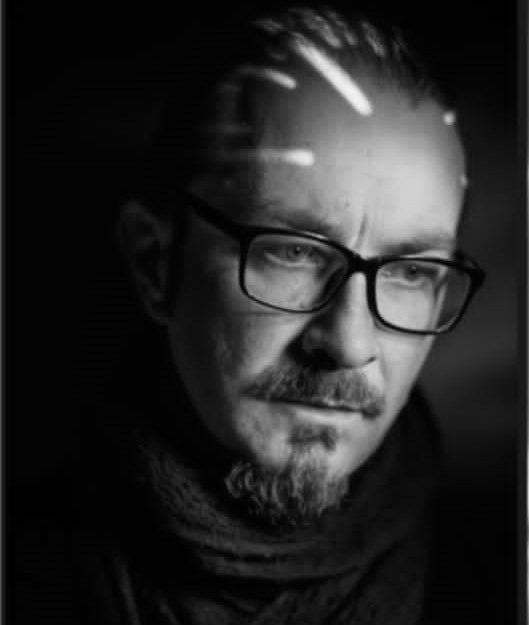
LET’S TALK ABOUT THE WEATHER
pores of pain erupt in hysterical giggles. it’s more comfortable that way.
and you, and me, and us, and was there an us or just you and me?
welcome to fall, your last fall. yes,
you aggress the branches, to break, to fall apart
nothingness in crowns and branches and roots and.
come closer. it’s not an invitation, it’s not a dagger command, it’s just a poem. you are
why are you still asking and your hesitations are
icebergs of violets and golden melancholy.
guilt is like an old spread carpet of
the paths thinned by hollow shouting.
you do something, you think everything. shall we talk about that? no.
how about the weather? is it cold? is it too late? is there a weather and time at all?
yes. it’s peaceful. downright zen.
now is the perfect moment for a love suicide.
POWER
Power will be flowing through our veins.
The Melpomenes will break into adoration.
The December scaffolding will serve as our flags.
Foxy looks will be a daily occurrence.
What’s sharp will be eternal and permanent.
Weaknesses will be weak before our hands.
The dark will be afraid of us.
SATURDAY MORNING
I’m listening to the birds singing
and the sun walks in the room like a Persian prince,
looks around
and smiles like a father to me.
Ninko Kirilov is the author of several books of prose, poetry and drama and has won awards, mainly for short prose and poetry. His texts have been translated into English, Italian, Spanish, German, Polish, Serbian and Montenegrin, and his collection of poems Rawer was published in India by Taj Mahal Review.
*****
Roman Kissiov: Three Poems
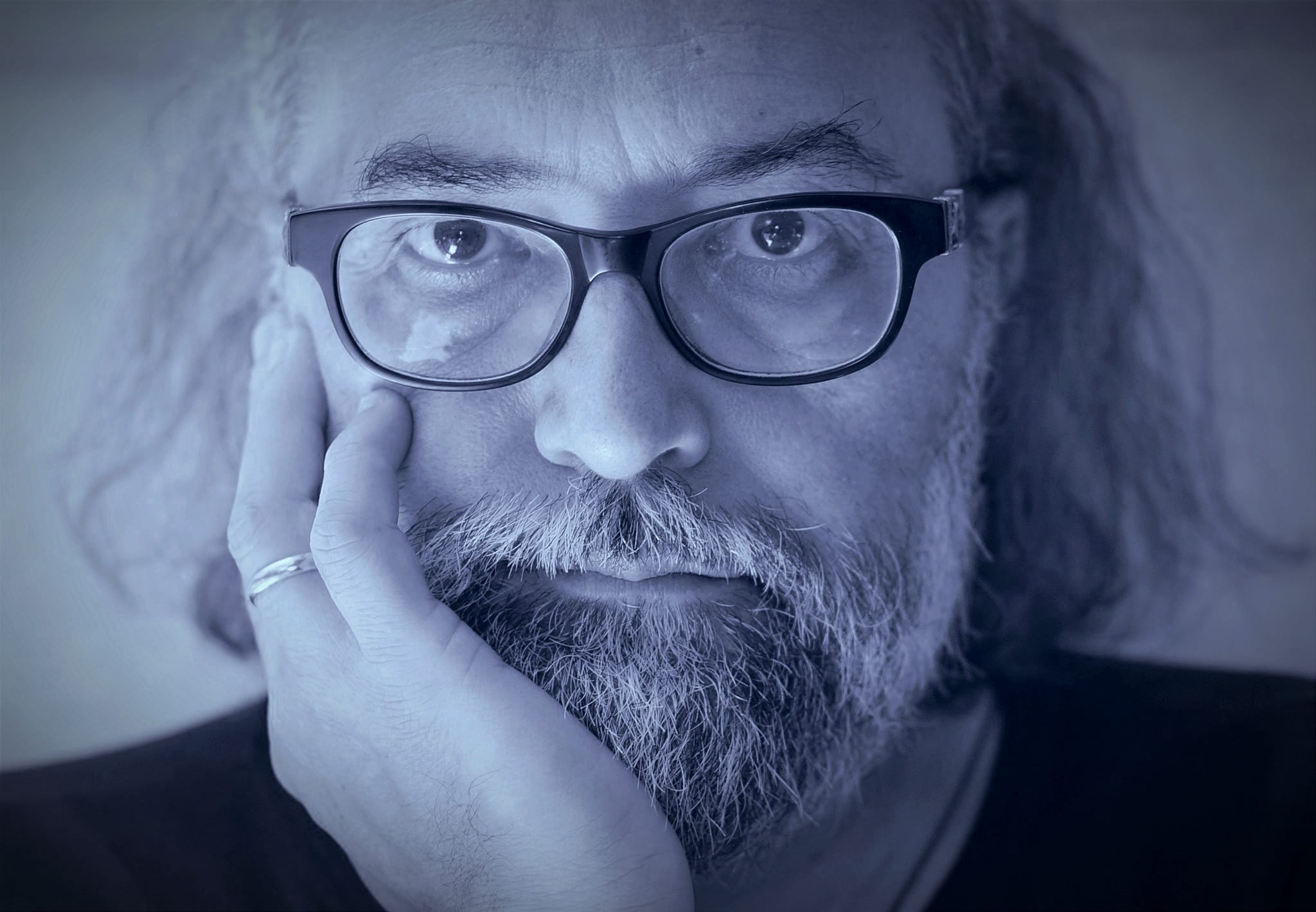
Photo credit: Peny Delta
EPITAPH FOR THE POET
I too was like Noah,
carefully gathering words
and closing them up in the ship
of the book to save them
from the waters of fleeting time,
from entropy’s flood,
and save myself that way as well,
laid in the coffin of my book
that preserved my heart
as well as the words that uttered me,
that led me to the heavenly land
and resurrected me for another life
above the murky waters of wicked days
and the vanity of piteous life ….
And so because for one entire life
I saved words for a new life –
words saved me,
words carried me on.
Traveller at my grave,
remember that here – in the earth –
are only my bones,
but me, I’m not here …
Because I am already a Word
from the Cryptography of Life.
EPITAPH FOR THE YOUNG POET
My life
was a roaring fire
but it went out.
The words
I’m leaving you
are living coals.
EPITAPH FOR THE OLD POET
The snow of the years
overwhelmed my hair
and the paths of memory.
The white poems I wrote
covered my tracks.
And on this perfect whiteness,
as on a clean white page,
I began to write over again –
in another way –
my life.
Roman Kissiov (b. 1962) is a poet and artist living and working in Sofia. He graduated in painting from the Bulgarian National Academy of the Arts. His work has been exhibited in galleries across Europe and he has illustrated dozens of books by international poets. He’s the author of 20 poetry collections and his poems have been translated into 25 languages. He’s a member of PEN Centre Bulgaria and an honorary member of the Armenian Writers Union.
*****
Tatyana Daskolova: Three Poems
LANDSCAPE OF THE HEART
In the middle of August forests
burn my soul.
Sharp mountain peaks carve
my sky.
On the edge of oblivion
I’m with you.
I firmly embrace
the mirage.
We draw near each other
in burning stubble.
We ravage burnt rye,
it draws me away,
it saves me.
THE THREE GEISHAS
He wrote that he loves her in the sand.
The three geishas in her stirred.
The meek one made him jasmine tea.
The bashful one put on her kimono.
The wise one planted a cherry tree.
He liked the bashful one’s fan,
the meek one’s lips and the wise one’s stance.
Then he slowly undid the sash of her kimono
and kissed her on the lips.
The water swallowed up everything:
the characters, the words, the handwriting.
He didn’t know Japanese
but he wrote in the sand that he loves her.
The bashful one took off her kimono.
The meek one and the wise one in her stirred.
IN SAINT LAWRENCE’S
Bees buzz round about. It’s summer,
but there are no theatre shows,
no women with parasols and fans
or men in tails, and there’s no chilled wine.
In the middle of the garden there is
a little glass room.
I peek in through each side.
George Bernard Shaw has left an unwritten text,
beside it, a teacup and pen.
It smells of thyme.
Someone urgently called him away,
but who’s locked the room from the inside?
Tanya Daskalova was born in Bulgaria beside the river Danube. She graduated in TV journalism from Sofia University St Kliment Ohridski and has worked as editor-in-chief of the newspaper Posoki (Directions), as an editor at Litavra and Legakon publishing houses and as writer/compiler of the series Women’s Secrets and Recipes in Sofia. She has lived and worked in London for many years and is the author of the poetry collection Do kapilyarite ha lyubovta (To the Capillaries of Love).
*****
THW34: Czech • THW33: Flemish • THW32: Marina Tsvetaeva • THW31: Greek • THW30: Swedish • THW29: Galician • THW28: Galician • THW27: Early Irish Poetry • THW26: French-language Poetry from Africa and the Arab World • THW25: Contemporary Hebrew • THW24: French • THW23: Italian • THW22: Russian • THW 21: Austrian • THW 20: Macedonian • THW 19: Swiss-German • THW 19: Spanish • THW 17: Franco-Canadian • THW 16: Modern Greek • THW 15: Kazakh • THW 14: Hungarian • THW 13: Polish • THW 12: Classics • THW 11: Catalan • THW10: Hispanic • THW 9: Hebrew • THW 8: Bulgarian • THW 7: Japanese • THW 6: Dutch • THW 5: Portuguese • THW 4: French THW 3: Italian • THW 2: German • THW 1: Italian
 The High Window
Yes, these voices are diverse. While I enjoyed reading each poem, my favourite is “The days Thread Together” for its playfulness, unusual in a nature poem (although perhaps this is not altogether about the seasons.
LikeLike