*****
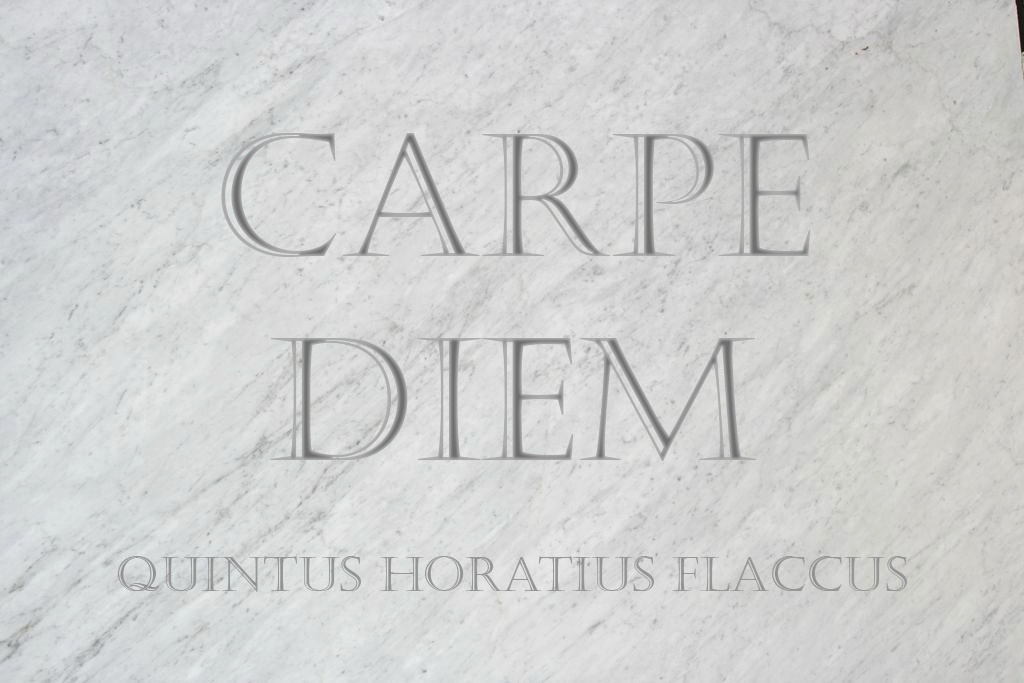
Horace (Quintus Horatius Flaccus) was a Roman poet, satirist, and critic. Born in Venusia in southeast Italy in 65 BCE to an Italian freedman and landowner, he was sent to Rome for schooling and was later in Athens studying philosophy when Caesar was assassinated. Horace joined Brutus’s army and later claimed to have thrown away his shield in his panic to escape. Returning to Rome, Horace began his career as a scribe, employment that gave him time to write. He befriended poets and important figures of his day such as Virgil and the Emperor Augustus, and he eventually achieved great renown. Horace is known for detailed self-portraits in genres such as epodes, satires and epistles, and lyrics.
*****
Ranald Barnicot (born 1948) has published original poems and translations from various languages (Ancient Greek, Latin, French, Spanish, Portuguese and Italian) in journals such as Orbis, Cannon’s Mouth and Acumen. A Greek Verse for Ophelia and Other Poems by Giovanni Quessep, Selected Poems 1968 – 2017, Translated by Felipe Botero Quintana and Ranald Barnicot was published by Out-spoken Press in November 2018. By Me, Through Me (original poems and translations) was published by Alba Press in December 2018. His translation of Catullus’ shorter poems, Friendship, Love, Abuse etc. (Dempsey and Windle) came out in August 2020.
Various of these poems were included in Ranald’s book, By Me, Through Me – Original Poems and Translations (Alba Press, Uxbridge, 2019), http://www.albapublishing.com/#9781912773138 . Some have also been published in the following journals: Acumen, Orbis, Poetry Salzburg Review, Metamorphoses, Cannon’s Mouth and The Hypertexts (online only).
*****
Horace: Eight Odes translated by Ranald Barnicot

THE COMING OF SPRING
Harsh winter is dissolved; now it’s spring’s turn,
borne on Favonius; dry keels are winched
down from the beach; farmers and cattle yearn
to forsake fireside and shed for meadows pinched
and whitening no longer with glittering hoar frost.
Now Cytherean Venus leads in dance
the nymphs and comely graces, who combine
with alternating feet to kick the ground and prance,
while the full moon looks on. Banished its benign
gleam, Vulcan oversees grim foundries, where red-faced
and sweating as their master, menials toil.
Time now with myrtle to encumber hair
oil-bright, with flowers from the fractured soil.
Time now in groves, well-shaded from the glare,
to sacrifice a lamb for Faunus’ feast,
if he requires, or goat, if that’s more to his taste.
Ashen-faced death kicks at all doors without
distinction – the pauper’s shack, the rich
man’s towers. You cannot long draw out
the hope life has begun to offer, which
life’s brevity overpowers, O Sestius, happiest
of friends, whom night will soon too rigorously test,
the legendary Shades (but, it must be confessed,
much more than legend!), Pluto’s ghastly, ghost-
-ly palace, where, once entered, you’ll be forced
to give up drawing lots for all your boast-
-ful, boozing comrades’ toast-high-mast-
-ership, and you’ll have gazed your love-struck last
on tender Lycidas, for whom all young men burn
now, and on whom the girls will soon look warmly in their turn.
*
Note: To hear this poem read in Latin click on the link:
Solvitur acris hiems grata vice veris et Favoni
xxx trahuntque siccas machinae carinas,
ac neque iam stabulis gaudet pecus aut arator igni
xxx nec prata canis albicant pruinis.
Iam Cytherea choros ducit Venus imminente luna
xxxiunctaeque Nymphis Gratiae decentes
alterno terram quatiunt pede, dum gravis Cyclopum
xxxVolcanus ardens visit officinas.
Nunc decet aut viridi nitidum caput impedire myrto
xxxaut flore, terrae quem ferunt solutae;
nunc et in umbrosis Fauno decet immolare lucis,
xxxseu poscat agna sive malit haedo.
Pallida Mors aequo pulsat pede pauperum tabernas
xxxregumque turris. O beate Sesti,
vitae summa brevis spem nos vetat inchoare longam.
xxxIam te premet nox fabulaeque Manes
et domus exilis Plutonia, quo simul mearis,
xxxnec regna vini sortiere talis
nec tenerum Lycidan mirabere, quo calet iuventus
xxxnunc omnis et mox virgines tepebunt.
***
TO PYRRA
That thin boy drenched in liquid perfume
on a bed of roses roofed by a welcome cave
now urging you – who is your slave,
Pyrrha? O chic simplicity, for whom
do you comb your yellow hair? How often, poor wretch, he’ll weep
treacherous gods, treacherous heart
of a girl, be stunned by swart
winds embittering the deep –
who enjoys now, golden fool’s dream,
hoping you ever free, ever lovable,
ignorant though how fickle
the wind. Pitiable on whom you gleam
untested! But I – look at the temple wall and you will see
its votive plaque declare how here I hung
my soaking garments, offering to the sea’s strong
deity.
*
Quis multa gracilis te puer in rosa
perfusus liquidis urget odoribus
xxxgrato, Pyrrha, sub antro?
xxxcui flavam religas comam,
simplex munditiis? Heu quotiens fidem
mutatosque deos flebit et aspera
xxxnigris aequora ventis
xxxemirabitur insolens,
qui nunc te fruitur credulus aurea,
qui semper vacuam, semper amabilem
xxxsperat, nescius aurae
xxxfallacis. Miseri, quibus
intemptata nites. Me tabula sacer
votiva paries indicat uvida
xxxsuspendisse potenti
xxxvestimenta maris deo.
***
SORACTE
You see how deep the snow gleams on Soracte’s peak,
how for that burden the forest is too weak,
how the streams have frozen to a halt,
and the whole landscape – gleaming, bleak!
Melt, melt the cold, lay logs upon the grate,
and many, nor like a miser hate
to see, O my young Prince of Revels,
from its Sabine amphora the good wine spate
after its four-year wait. And let the gods take care
of everything but that, and let them scare
into calm the sea-unsettling, battling
winds. Then neither cypress nor ash, rare
in age, are shaken. What may tomorrow show?
Don’t seek to know! Let your heart’s treasure grow
to fill whatever day your fortune grants,
and, young, spurn neither dance nor love’s sweet glow,
your sap as yet unsoured by age. Now seek the park,
now seek the piazza, soft whispering in the dark,
seek them again at the promised hour,
seek now the sweet laughter, by whose treason mark
the girl that in some inmost corner hides,
seek now the token that, when you tug,
from arm or unresisting finger glides.
*
Vides ut alta stet nive candidum
Soracte nec iam sustineant onus
xxsilvae laborantes geluque
xxflumina constiterint acuto?
Dissolve frigus ligna super foco
large reponens atque benignius
xxdeprome quadrimum Sabina,
xxo Thaliarche, merum diota.
Permitte divis cetera, qui simul
strauere ventos aequore fervido
xxdeproeliantis, nec cupressi
xxnec veteres agitantur orni.
Quid sit futurum cras, fuge quaerere, et
quem fors dierum cumque dabit, lucro
adpone nec dulcis amores
sperne, puer, neque tu choreas,
donec virenti canities abest
morosa. Nunc et Campus et areae
xxlenesque sub noctem susurri
xxcomposita repetantur hora,
nunc et latentis proditor intumo
gratus puellae risus ab angulo
xxpignusque dereptum lacertis
xxaut digito male pertinaci.
***
TO LYDIA
More sparingly now the hot young volley
pebbles to rattle your closed shutters
and take away your sleep, and your door clasps
its threshold –
for when it moves, its hinges do not work
with old facility, but less and less now comes to your hearing:
“All these long nights I die that am your lover –
you, Lydia, are sleeping?”
You in your turn in your lone alley
are an old scold who tearfully mutters
“Filthy young sods!” while the North Wind rasps
under a moon as old,
when that which drives matronly mares berserk,
searing passion and lust, is also tearing
savagely at your diseased liver,
and you are weeping
that the gay young find dark myrtle
and green ivy more to their taste,
and barren branches dedicate to winter’s inseparable
Northern Waste.
***
Parcius iunctas quatiunt fenestras
iactibus crebris iuvenes proterui
nec tibi somnos adimunt amatque
xxxianua limen,
quae prius multum facilis movebat
cardines. Audis minus et minus iam:
‘Me tuo longas pereunte noctes,
xxxLydia, dormis?’
Invicem moechos anus arrogantis
flebis in solo levis angiportu
Thracio bacchante magis sub
xxxinterlunia vento,
cum tibi flagrans amor et libido,
quae solet matres furiare equorum,
saeviet circa iecur ulcerosum
xxxnon sine questu,
laeta quod pubes hedera virenti
gaudeat pulla magis atque myrto,
aridas frondes hiemis sodali
xxxdedicet Euro.
***
TO LICINIUS
You’ll live more rationally, Licinius,
neither always pushing out into deep water,
nor hugging the insidious coast, too close, too cautious,
shuddering at storms that may or may not happen.
Who cherishes the Golden Mean, temperate and safe,
avoids the pauper’s squalid dwelling – precarious,
ramshackle –, likewise avoids the nabob’s mansion,
enviable, but invidious.
It is the huge pine that winds shake,
the lofty towers that fall more ponderously,
and lightning strikes the highest peak
more fiercely and more frequently;
a well-trained mind in times of trouble proves
hopeful, fearful in favourable, of alteration:
Jupiter brings back misshapen
winters and Jupiter removes.
Fortune that scowls today will change expression:
Apollo will at times awaken
the silent Muse to shape
his lyre’s music, nor always bends
his bow upon us. Spirited and brave
appear when all else fails,
and when the wind’s
too favourable, draw in your swelling sails.
Original text:
Rectius vives, Licini, neque altum
semper urgendo neque, dum procellas
cautus horrescis, nimium premendo
xxxlitus iniquum.
auream quisquis mediocritatem
diligit, tutus caret obsoleti
sordibus tecti, caret invidenda
xxxsobrius aula.
saepius ventis agitatur ingens
pinus et celsae graviore casu
decidunt turres feriuntque summos
xxxfulgura montis
sperat infestis, metuit secundis
alteram sortem bene praeparatum
pectus. informis hiemes reducit
xxxIuppiter, idem
submovet. non, si male nunc, et olim
sic erit: quondam cithara tacentem
suscitat Musam neque semper arcum
xxxtendit Apollo.
rebus angustis animosus atque
fortis adpare: sapienter idem
contrahes vento nimium secundo
xxxturgida vela.
***
TO POSTUMUS
Fugitive, ah! – Postumus, Postumus! –
the years slip by us, nor piety
can stay their rout, the wrinkles that betray
Age is upon us, Death ever champion –
not though three hundred bulls each day
you live, my friend, you’d slaughter to placate
Pluto whom no tears entice to mercy,
engirdling Tityos, and vast Geryon
(three bodies in one monstrous trinity),
by dismal Acheron’s three coils which all
must navigate, whether king or peasant scratching
subsistence from the soil they toil on.
In vain we’ll absent ourselves from fields
where Mars makes slaughter, coasts where
Adriatic waves vent and fragment, in vain
fear autumn’s south wind, health’s perdition;
but we must make an eternal expedition
to sluggish, black, meandering Cocytus,
Danaus’ infamous brood, and Sisyphus,
damned to long labouring frustration;
and you must leave your land, your house and your
delightful wife, nor any of these trees you cultivate,
save the loathed cypress, will follow you,
who are so brief in your dominion;
another heir, more meritorious, will consume your store
of Caecuban a hundred keys have made secure,
splash with your splendid wine your paved floor,
at feasts a pontiff would die for!
*
Eheu fugaces, Postume, Postume,
labuntur anni nec pietas moram
xxxrugis et instanti senectae
xxxadferet indomitaeque morti,
non, si trecenis quotquot eunt dies,
amice, places inlacrimabilem
xxxPlutona tauris, qui ter amplum
xxxGeryonen Tityonque tristi
compescit unda, scilicet omnibus
quicumque terrae munere vescimur
xxxenaviganda, sive reges
xxxsive inopes erimus coloni.
Frustra cruento Marte carebimus
fractisque rauci fluctibus Hadriae,
xxxfrustra per autumnos nocentem
xxxcorporibus metuemus Austrum:
visendus ater flumine languido
Cocytos errans et Danai genus
xxxinfame damnatusque longi
xxxSisyphus Aeolides laboris.
Linquenda tellus et domus et placens
uxor, neque harum quas colis arborum
xxxte praeter invisas cupressos
xxxulla brevem dominum sequetur;
absumet heres Caecuba dignior
servata centum clavibus et mero
xxxtinguet pavimentum superbo,
xxxpontificum potiore cenis.
***
THE SNOWS HAVE MELTED
The snows have melted away in flight; already the grass
returns to the fields, leaves to the trees;
the year runs through its changes; lower the rivers pass
between their banks, seeking their estuaries.
A Grace with the Nymphs and her twin sisters dares
in her nakedness to lead the dance.
Don’t expect immortality, warns the year, nor hour spares
the day’s beatific ignorance.
West winds soften the chill, summer tramples the spring,
summer will perish as soon as autumn,
apple-bringer, pours forth fruit; soon winter’s back in the ring,
soil ever more sluggish as days shorten.
Moons in their swift transitions repair celestial loss;
we, once we have fallen, are reduced to dust
and shadow. To join the illustrious dead we cross:
Father Aeneas, rich Tullus, Ancus the Just.
Who knows whether the gods in heaven will throw
tomorrow into your store of days?
But what you give your dear self now will refuse to flow
into an heir’s grasping hands whom your thrift pays.
Once you with your sun have set and Minos sits
in splendid judgement upon you,
neither noble birth, nor piety, nor all your wit’s
eloquence will come to your rescue.
Neither does Diana release Hippolytus from the dark under-
world, where he, though chaste, remains,
nor Theseus, who loved Pirithous, prevail to sunder
Lethean chains.
*
Diffugere nives, redeunt iam gramina campis
xxxvarboribus comae;
mutat terra vices et decrescentia ripas
xxxvflumina praetereunt;
Gratia cum Nymphis geminisque sororibus audet
xxxvducere nuda chorus.
Inmortalia ne speres, monet annus et almum
xxxvquae rapit hora diem.
Frigora mitescunt Zephyris, ver proterit aestas,
xxxinteritura simul
pomifer autumnus fruges effuderit, et mox
xxxbruma recurrit iners.
Damna tamen celeres reparant caelestia lunae:
xxxvnos ubi decidimus
quo pater Aeneas, quo dives Tullus et Ancus,
xxxvpulvis et umbra sumus.
Quis scit an adiciant hodiernae crastina summae
xxxvtempora di superi?
Cuncta manus avidas fugient heredis, amico
xxxvquae dederis animo.
Cum semel occideris et de te splendida Minos
xxxfecerit arbitria,
non, Torquate, genus, non te facundia, non te
xxxvrestituet pietas;
infernis neque enim tenebris Diana pudicum
xxxliberat Hippolytum,
nec Lethaea valet Theseus abrumpere caro
xxxvincula Pirithoo.
***
A MONUMENT
I’ve built a monument outlasting bronze,
outsoaring Pharaoh’s pyramids;
rain will not rust,
nor North wind weather it away:
though ceaseless time bangs down the lids,
on me, on all men’s ash and bones,
yet I have something that can brave
mortuary, undertaker, grave.
The priest and silent vestal’s feet still clip
the Capitol; Aufidus roars
in torrents; trust
that I, as long as these, shall stay.
Ask parched Apulia the cause:
my birth is low, yet noble verse took ship
from Lesbos, sailed through time and space
to Italy, in my verse found new grace.
So crown me, Melpomene,
With Delphic laurel, lyric muse,
Nor refuse
My arrogant ambition mastery.
*
Exegi monumentum aere perennius
regalique situ pyramidum altius,
quod non imber edax, non Aquilo inpotens
possit diruere aut innumerabilis
annorum series et fuga temporum.
Non omnis moriar multaque pars mei
vitabit Libitinam; usque ego postera
crescam laude recens, dum Capitolium
scandet cum tacita virgine pontifex.
Dicar, qua violens obstrepit Aufidus
et qua pauper aquae Daunus agrestium
regnavit populorum, ex humili potens
princeps Aeolium carmen ad Italos
deduxisse modos. Sume superbiam
quaesitam meritis et mihi Delphica
lauro cinge volens, Melpomene, comam.
 The High Window